-
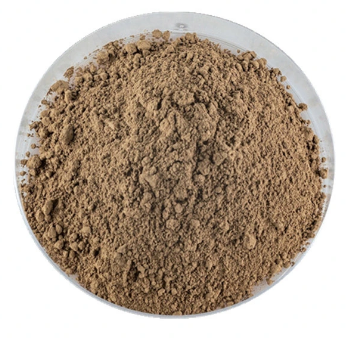
Tribulus CAS:90131-68-3 Manufacturer Price
Tribulus feed grade is a natural supplement derived from the Tribulus terrestris plant that is commonly used as a feed additive in animal nutrition. It is known for its potential effects on enhancing reproductive health, improving muscle growth, and boosting performance in animals. Tribulus feed grade contains bioactive compounds, such as steroidal saponins and flavonoids, which may support hormonal balance, increase testosterone levels, and improve overall vitality in animals.
-
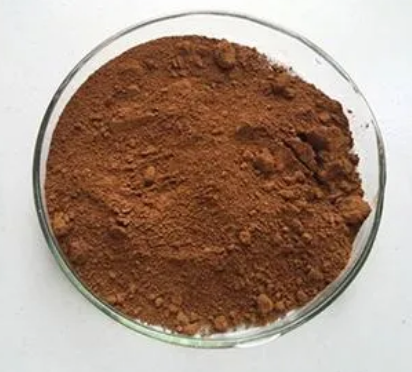
Bambermycin CAS:11015-37-5 Manufacturer Price
Bambermycin feed grade is an antibiotic feed additive that is commonly used in animal agriculture to improve growth performance and prevent certain bacterial infections in livestock and poultry. Bambermycin belongs to the monensin class of antibiotics and works by inhibiting the growth of bacteria in the digestive system of animals. It is typically added to animal feed and can help improve feed efficiency, weight gain, and overall productivity in animals.
-
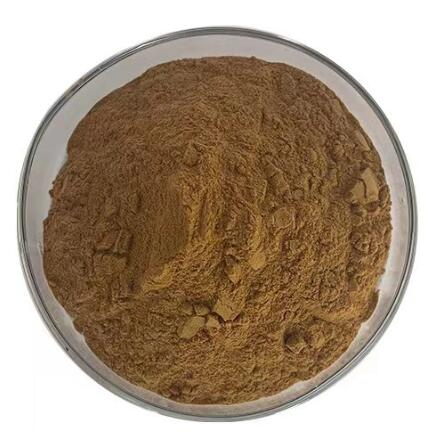
Buckwheat Extract CAS:89958-09-8
Buckwheat extract feed grade is a natural ingredient derived from buckwheat seeds, used in animal feed. It is rich in nutrients, antioxidants, and essential amino acids, promoting overall health, digestion, and immune system support in animals. It is a safe and natural option for supplementing animal feed formulations.
-
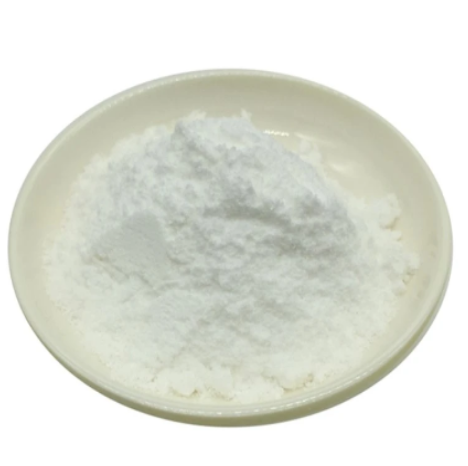
Cyromazine CAS:66215-27-8 Manufacturer Price
Colistin Sulfate feed grade is an antibiotic commonly used in animal feed to promote growth and prevent or treat bacterial infections in livestock, particularly poultry and pigs. Colistin is effective against a wide range of gram-negative bacteria, including strains that are resistant to other commonly used antibiotics.
When added to animal feed, Colistin Sulfate acts by disrupting the cell membranes of bacteria, ultimately leading to their death. By controlling bacterial infections, it helps to improve the overall health and productivity of the animals.
-
Tylosin Tartrate CAS:74610-55-2 Manufacturer Price
Tylosin Tartrate feed grade is a broad-spectrum antibiotic commonly used in animal feed to prevent and treat bacterial infections in livestock. It is effective against a wide range of Gram-positive bacteria, Gram-negative bacteria, and some mycoplasma species. It inhibits bacterial protein synthesis, preventing the growth and replication of harmful bacteria. Tylosin Tartrate is commonly used in poultry, swine, and cattle for respiratory and gastrointestinal infections.
-
Neomycin Sulfate CAS:1405-10-3
Neomycin sulfate feed grade is a type of antibiotic commonly used in livestock and poultry production. It belongs to the aminoglycoside class of antibiotics and is primarily used to prevent and treat bacterial infections in animals.
Neomycin sulfate feed grade is effective against a wide range of Gram-negative bacteria, including E. coli and Salmonella, which can cause diseases in animals. It works by inhibiting protein synthesis in bacterial cells, which ultimately leads to their death and the control of infections.
This antibiotic is commonly added to animal feed to ensure uniform distribution and consumption by the animals.
-
Betaine Anhydrous CAS:107-43-7 Manufacturer Price
Betaine Anhydrous feed grade is a supplement used in animal feed to improve digestion, enhance growth performance, mitigate stress, and boost immune function. Derived from beet molasses or sugar beets, it contains high levels of betaine, a compound that aids in nutrient metabolism and utilization. By supporting optimal nutrient absorption, betaine helps animals grow and develop better, while also enhancing their resistance to stress and diseases.
-
Capsaicin CAS:404-86-4 Manufacturer Price
Capsaicin feed grade is a powdered form of capsaicin, the active compound found in chili peppers. It is specifically formulated for use in animal feed. Capsaicin feed grade is known for its ability to promote feed intake and improve overall animal performance. It stimulates the taste buds and increases saliva production, which enhances appetite and encourages animals to eat more.
-
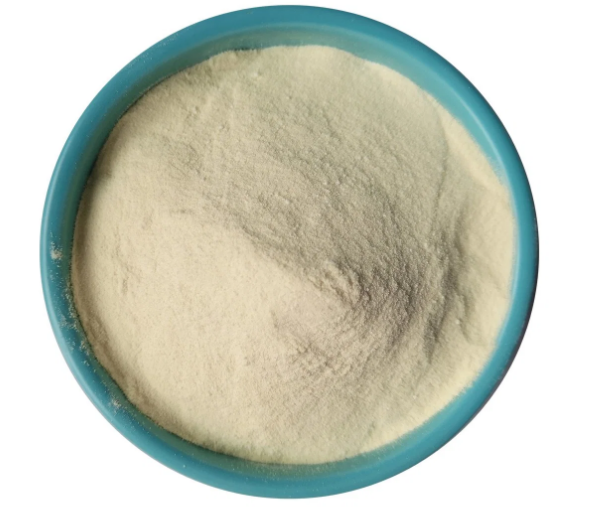
Diclazuril CAS:101831-37-2 Manufacturer Price
Diclazuril is a feed-grade antiparasitic drug that is commonly used in animal production to control and prevent coccidiosis. Coccidiosis is a parasitic infection caused by protozoa, specifically coccidia, which can affect the digestive system of animals such as poultry and livestock.
Diclazuril works by inhibiting the development of coccidia, preventing their reproduction and ultimately reducing the severity of coccidiosis. It is highly effective against a wide range of coccidia species and has a long duration of action, allowing for sustained protection.
-
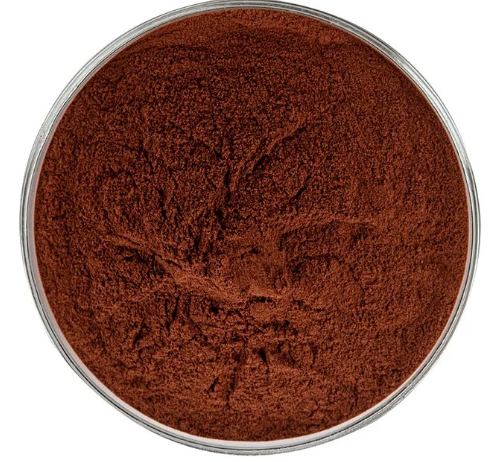
Apoester 10% CAS:1109-11-1 Manufacturer Price
Apoester is an oxygen-containing apocarotene compound among carotenoids, with good stability in premixtures and complete feed. It also has a high deposition rate in the yolk, making it an effective egg yolk colorant.
-
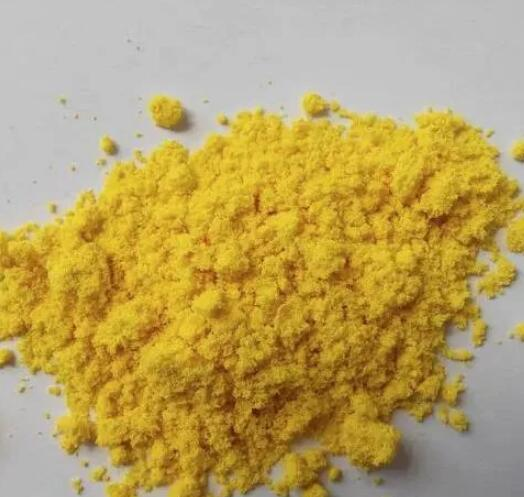
Niclosamide CAS:50-65-7 Manufacturer Price
Niclosamide feed grade is a veterinary drug used as an anthelmintic (anti-parasitic) agent in animal feed. It is effective against a variety of parasites, including tapeworms and flukes. Niclosamide works by interfering with the energy metabolism of these parasites, leading to their paralysis and elimination from the animal’s system. It is commonly incorporated into animal feed to provide convenient and consistent administration to the entire herd or flock. Proper dosage and administration should be followed based on the specific needs of the animal species and the severity of the parasite infection. Regular monitoring and proper management practices are important to maintain animal health and prevent re-infection.
-
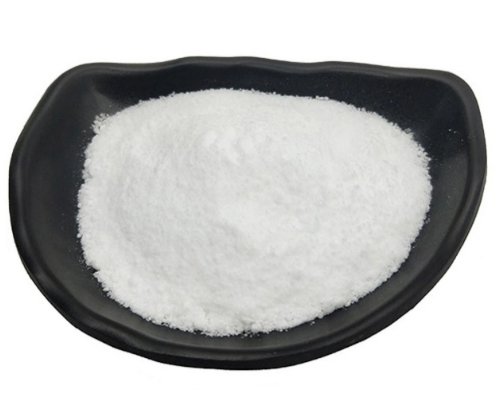
Betaine HCl CAS:590-46-5 Manufacturer Price
Betaine HCL feed grade is a supplement specifically designed for animals in the agricultural and livestock industries. It is a highly purified form of betaine hydrochloride, a compound derived from the amino acid glycine. This feed grade supplement is used to promote better digestion and nutrient absorption in animals, particularly in their stomachs and intestines. It helps in optimizing the pH levels in the animal’s digestive tract, supporting proper enzyme activation and overall digestive function. Betaine HCL feed grade can benefit animals by improving feed efficiency, enhancing nutrient utilization, and ultimately supporting their overall health and growth.