-
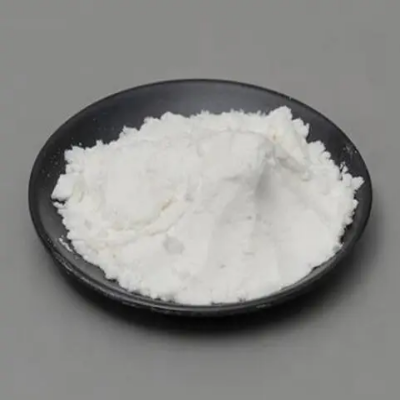
Tetrapeptide-30 CAS:1036207-61-0
Introducing our Tetrapeptide-30 serum, a cutting-edge skincare solution formulated with a potent peptide complex renowned for its skin-brightening and anti-inflammatory properties. Tetrapeptide-30 works to address hyperpigmentation, uneven skin tone, and promote a more balanced complexion. Our serum delivers a concentrated dose of Tetrapeptide-30 to support a clearer, more radiant skin tone.
-
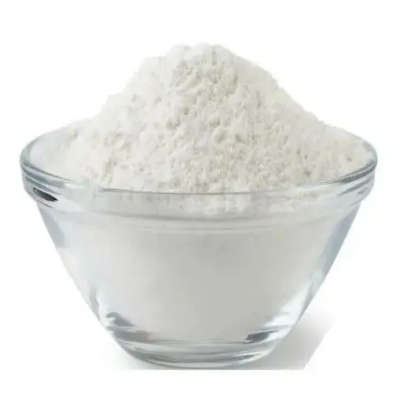
Piperonylbutoxide CAS:51-03-6
Piperonyl butoxide is a synergist compound used to enhance the efficacy of insecticides and pesticides. It does not have insecticidal properties on its own, but it works by inhibiting the breakdown of insecticides in insects, thereby increasing their effectiveness. This chemical is widely employed in pest control strategies due to its ability to boost the performance of various insect-killing formulations.
-
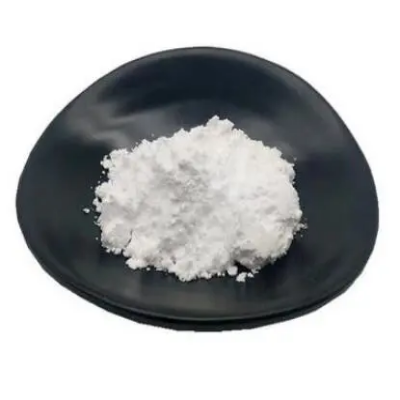
Sulfamide CAS:7803-58-9
Sulfamide is an inorganic compound with the chemical formula H3NSO2. It is a white crystalline solid, soluble in water and commonly used in various industrial applications. Sulfamide exhibits amphoteric properties, allowing it to act as both an acid and a base under different conditions. This versatile compound finds utility across multiple industries due to its unique chemical properties.
-

Fluorometholone CAS:426-13-1
Fluorometholone is a corticosteroid used for its anti-inflammatory and immunosuppressive properties. It is commonly prescribed to treat eye conditions such as inflammation, itching, redness, and discomfort caused by certain eye problems or surgeries. Fluorometholone works by reducing swelling, itching, and redness in the eye, providing relief to the patient.
-
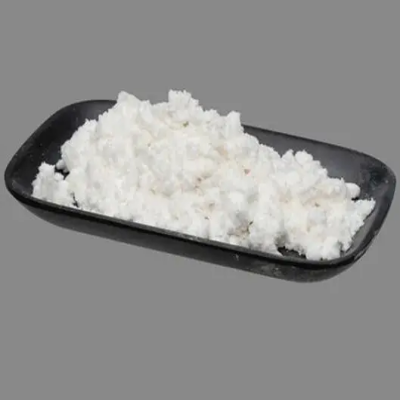
Indole CAS:120-72-9
Indole is a heterocyclic organic compound with a bicyclic structure containing a benzene ring fused to a five-membered nitrogen-containing pyrrole ring. It is a common building block in the synthesis of various natural products and pharmaceutical compounds. Indole is known for its distinct odor and is found in diverse biological systems, serving as a precursor for essential biomolecules.
-

Hydroxymethyl-7-ACA CAS:15690-38-7
Hydroxymethyl-7-ACA, also known as 7-aminocephalosporanic acid, is a key intermediate in the production of semi-synthetic cephalosporin antibiotics. It serves as a building block in the synthesis of various important antibiotics and pharmaceutical compounds due to its functional structure and reactivity.
-
7-Amino-3-Chloro-3-Cephem-4-CarboxylicAcid CAS:53994-69-7
7-Amino-3-Chloro-3-Cephem-4-CarboxylicAcid is a chemical compound that belongs to the cephem group and contains an amino group and a chlorine atom. It exhibits antimicrobial properties and is commonly used in pharmaceutical research and synthesis due to its potential as a building block for antibacterial agents. This compound’s unique structure and reactivity make it valuable in the development of antibiotics, particularly in targeting and inhibiting the growth of resistant bacterial strains.
-
7-Amino-3-(1-methyltetrazol-5-ylthiomethyl)-3-cephem-4-carboxylicacid CAS:24209-38-9
7-Amino-3-(1-methyltetrazol-5-ylthiomethyl)-3-cephem-4-carboxylicacid is a compound with antimicrobial properties that belongs to the cephalosporin group. It contains an amino group and a tetrazole ring, making it effective against a wide range of bacteria. This compound is commonly used in the pharmaceutical industry for the synthesis of antibiotics due to its potent antibacterial activity.
-
4-Nitrophenylchloroformate CAS:7693-46-1
4-Nitrophenylchloroformate is a chemical compound comprising a nitrophenyl group and a chloroformate functional group. It is utilized in organic synthesis as a reagent for introducing the chloroformate moiety into various molecules. This compound’s reactive nature and specific chemical properties make it valuable in the preparation of diverse organic compounds and derivatives.
-
2-Hydroxyethylmethacrylate CAS:868-77-9
2-Hydroxyethylmethacrylate (HEMA) is a clear, colorless liquid monomer with a characteristic odor. It is widely used in the production of adhesives, coatings, and various polymer materials due to its reactivity and ability to undergo polymerization. With a molecular formula of C6H10O3, HEMA is known for its high solubility in water and many organic solvents.
-

crystalvioletlactone CAS:1552-42-7
Crystal Violet Lactone, also known as crystal violet leuco base, is a colorless organic compound that becomes intensely colored when exposed to an acid environment. This characteristic makes it valuable in the production of carbonless copy paper, where it serves as a color-forming component in pressure-sensitive copy systems. Its reversible color change enables the creation of duplicates without the use of traditional carbon papers.
-

Chloromethylpivalate CAS:18997-19-8
Chloromethylpivalate is an organic compound containing a chloromethyl group and a pivalate moiety. It is used in chemical synthesis as a versatile building block for creating various compounds. This compound’s reactivity and functional groups make it valuable in the production of pharmaceuticals, agrochemicals, and specialty chemicals.