-
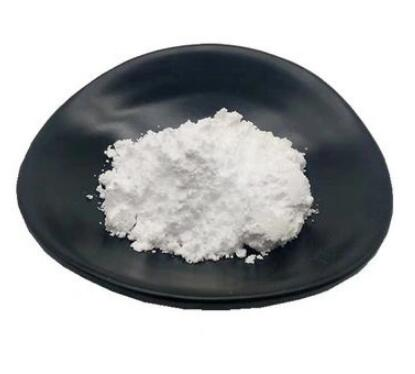
5′-INOSINIC ACID DISODIUM SALT HYDRATE CAS:20813-76-7
5′-Inosinic acid disodium salt hydrate is a chemical compound commonly used as a flavor enhancer in food products. It is known for its umami or savory taste and is often used in combination with monosodium glutamate (MSG) to enhance the overall flavor of many foods. Additionally, 5′-Inosinic acid disodium salt hydrate plays a role in the production of nucleotides and has applications in the food industry for enhancing taste and improving food quality.
-
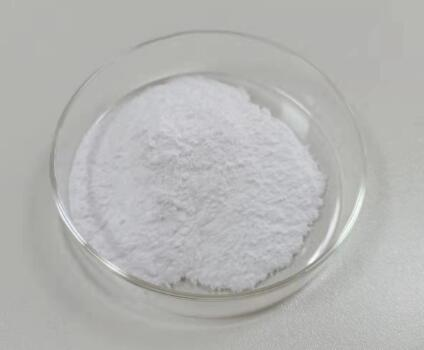
IBMX, 3-isobutyl-1-methylxanthine CAS:28822-58-4
3-isobutyl-1-methylxanthine, also known as IBMX, is a methylxanthine derivative that is commonly used in scientific research as a non-specific inhibitor of cyclic nucleotide phosphodiesterases. It is known to increase intracellular levels of cyclic AMP (cAMP) and cyclic GMP (cGMP) by inhibiting their breakdown, which can in turn modulate various cellular signaling pathways.
In addition to its research applications, IBMX has been used in some medical settings for its bronchodilator and vasodilator effects. However, its use in human medicine is limited.
-
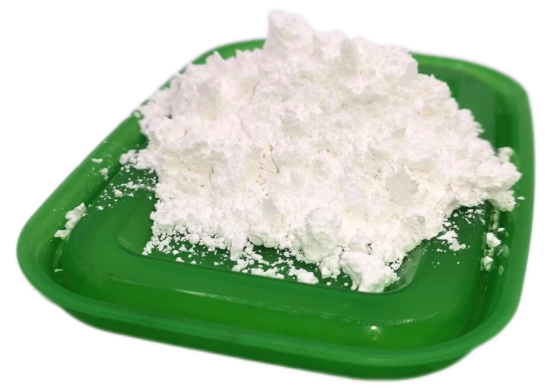
5-Fluoro-2′-deoxyuridine CAS:50-91-9
5-Fluoro-2′-deoxyuridine is a synthetic nucleoside analog that inhibits DNA synthesis. It has been studied for its potential antiviral and antitumor properties. Additionally, it is used as a research tool in molecular biology and biochemistry.
-
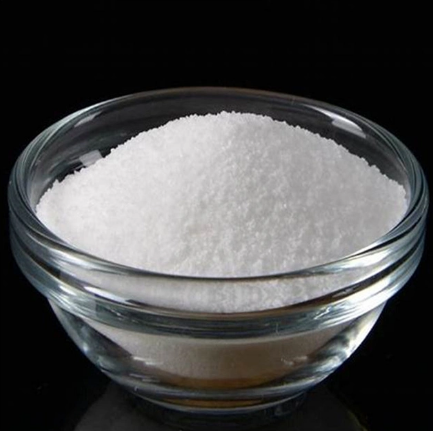
2′-Deoxyguanosine CAS:961-07-9 Manufacturer Price
2′-Deoxyguanosine is a nucleoside, which serves as a component for the building of DNA. It is important for DNA synthesis and repair, as it is a precursor to the nucleotides that make up DNA. Additionally, 2′-deoxyguanosine has been studied for its potential in antiviral therapy and as a research tool in molecular biology and biochemistry.
-
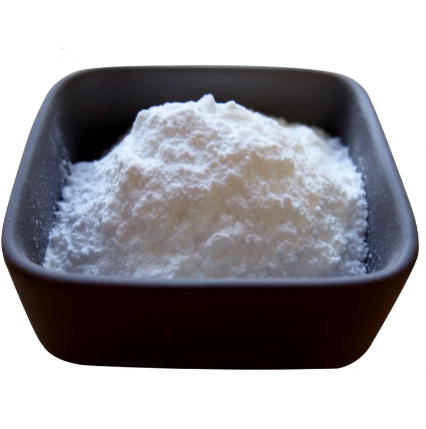
Adenosine 5′-monophosphate disodium salt CAS:4578-31-8
Adenosine 5′-monophosphate disodium salt, also known as 5′-AMP, is a nucleotide consisting of adenine, ribose, and a phosphate group. It serves as a precursor to adenosine triphosphate (ATP), which is a crucial molecule involved in cellular energy transfer. In research and biochemical applications, 5′-AMP is utilized as a substrate in enzymatic reactions, particularly in studies of nucleotide metabolism, signaling pathways, and as a component in various assays. Its disodium salt form enhances its solubility and stability, making it suitable for experimental use.
-
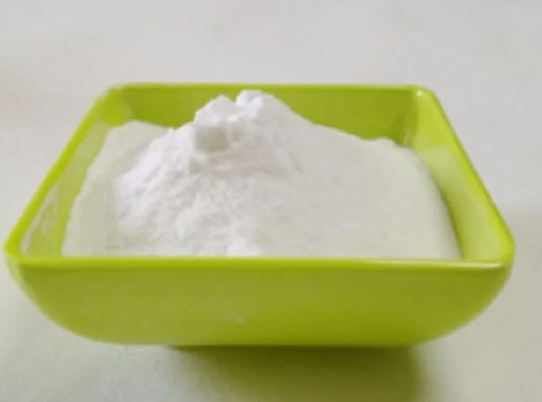
Adenosine5′-(trihydrogen diphosphate), monopotassium salt, dihydrate (9CI) CAS:72696-48-1
adenosine 5′-(trihydrogen diphosphate) monopotassium salt, dihydrate, is a chemical compound that consists of adenosine with a trihydrogen diphosphate group and a monopotassium salt in a dihydrate form. This compound is commonly referred to as adenosine diphosphate (ADP), which plays an important role in various biological processes, particularly in energy transfer within cells.
ADP is a key component in the energy currency of the cell, as it is involved in the transfer of energy during cellular respiration and photosynthesis. It is also a precursor to adenosine triphosphate (ATP), which is the primary carrier of energy in cells.
Additionally, ADP is involved in signal transduction pathways and is a substrate in enzymatic reactions. In the context of biochemistry and molecular biology, ADP is widely used in studies related to cellular metabolism, enzyme kinetics, and energy transfer processes.
-
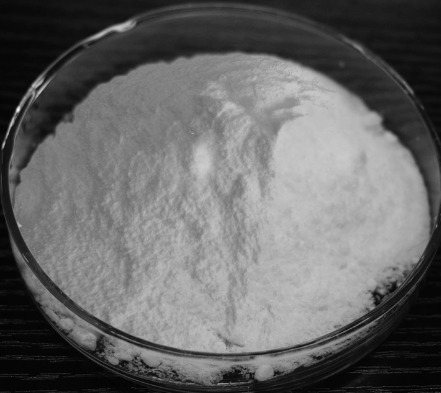
Uridine 5[-monophosphate, disodium salt CAS:3387-36-8
Uridine 5′-monophosphate, disodium salt is a salt form of uridine monophosphate, a nucleotide that plays a crucial role in various biochemical processes, including the synthesis of RNA and the modulation of cellular signaling pathways. It is often used in research and laboratory settings as a precursor for the biosynthesis of other nucleotides and as a component in cell culture media. Furthermore, uridine 5′-monophosphate, disodium salt may have potential therapeutic applications in conditions related to nucleotide deficiencies or dysregulation.
-
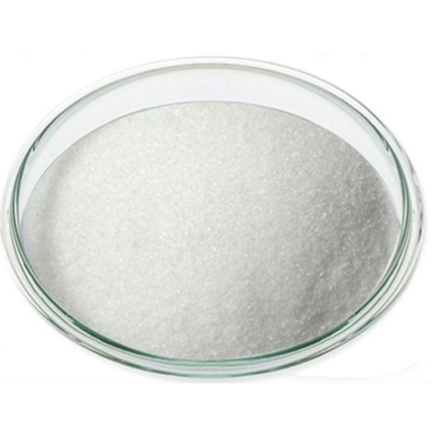
dGMP, 2′-Deoxyguanosine-5′-monophosphate disodium salt CAS:33430-61-4
2′-Deoxyguanosine-5′-monophosphate disodium salt is a chemical compound that is often used in biochemical research and molecular biology. It is a salt form of the monophosphate derivative of the nucleoside 2′-deoxyguanosine, which is an essential component of DNA. This compound is utilized in various laboratory procedures such as DNA sequencing, enzyme studies, and as a substrate in enzymatic reactions.
-
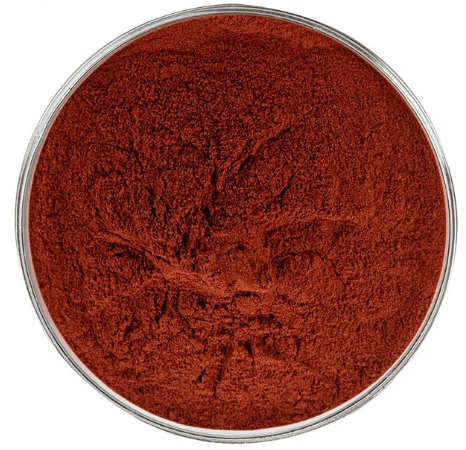
Coomassie brilliant blue R-250 CAS:6104-59-2
Coomassie Brilliant Blue R-250 is a commonly used dye in protein research and electrophoresis. It is especially noted for its use in staining proteins in polyacrylamide gel electrophoresis (PAGE). Due to its strong affnity for proteins, it binds to them, resulting in a highly visible blue color that allows for the visualization and quantification of proteins. Additionally, it is often used in protein purification processes as a dye for assessing protein concentration and assessing the success of the purification process.
-
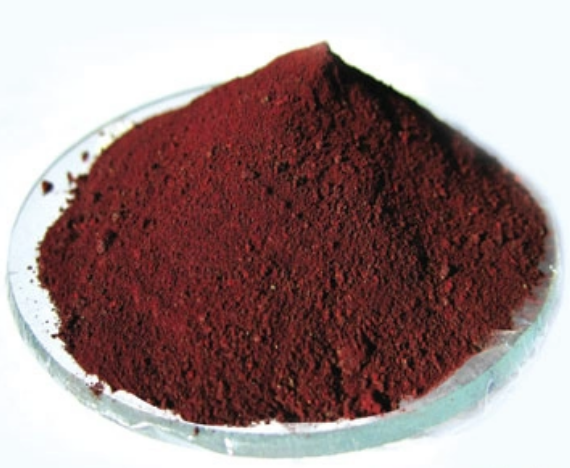
Ponceau S CAS:6226-79-5 Manufacturer Price
Ponceau S is a red dye commonly used in protein research to stain proteins on nitrocellulose or PVDF membranes after transfer from polyacrylamide gels. It is often used as a reversible stain as it does not covalently bind to proteins, allowing for subsequent analysis. Ponceau S staining is quick, sensitive, and provides a visible indicator of protein transfer efficiency.
-
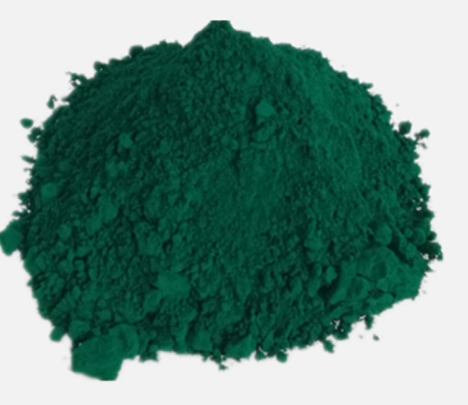
Toluidine blue O CAS:92-31-9 Manufacturer Price
Toluidine Blue O is a vital stain used in histology and cytology to aid in the visualization of cellular structures. It has an affinity for acidic tissue components like nucleic acids and cartilage. When applied to tissue samples, Toluidine Blue O can help to distinguish different cell types and highlight specific structures under a microscope. This stain is particularly useful in differentiating between healthy and diseased tissues, making it an essential tool in diagnostic and research settings.
-
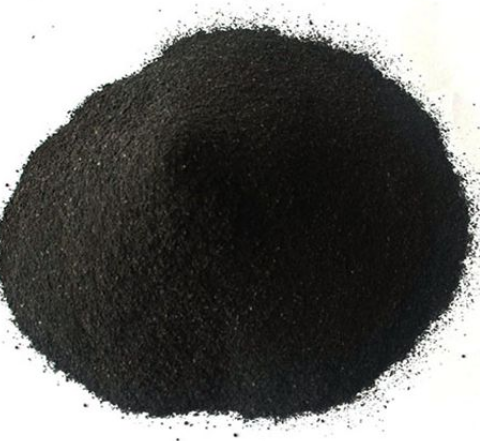
Trypan Blue CAS:72-57-1 Manufacturer Price
Trypan Blue is a diazo dye that is commonly used in biology and medicine. It is frequently employed as a vital stain to selectively color dead cells, allowing for the differentiation of live and dead cells in cell culture. Trypan Blue is often used in cell viability assays to assess cell health and is also utilized in laboratory research, such as in counting viable cells using automated cell counters. Additionally, it has applications in ophthalmic surgery, where it is used to stain the anterior capsule of the lens during cataract surgery to aid in visualization.