-

Nitrotetrazolium blue chloride CAS:298-83-9
Nitrotetrazolium blue chloride, often abbreviated as NBT, is a chemical compound commonly used as a substrate to detect the presence of certain enzymes, such as nitroreductases, in biological samples. When NBT is reduced by these enzymes, it forms an insoluble formazan product, producing a blue or purple color that can be visually or spectrophotometrically quantified. This reaction is frequently employed in research to study enzyme activity, particularly in immunology and microbiology. Additionally, NBT has been utilized in various assays to understand redox reactions and cellular oxidative stress.
-
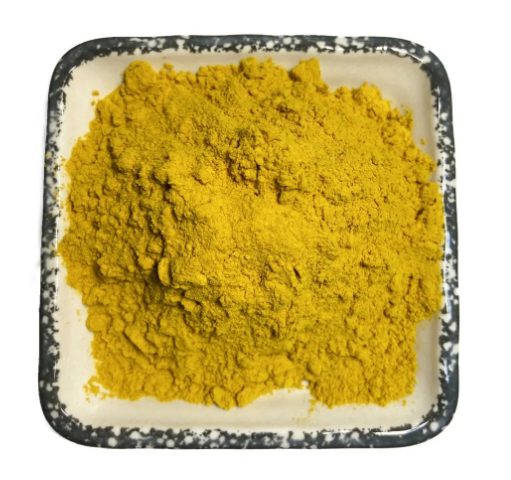
Hoechst 33258 CAS:23491-45-4 Manufacturer Price
Hoechst 33258 is a fluorescent dye commonly used in biological research for staining DNA. It binds specifically to AT-rich regions of DNA and emits blue fluorescence when excited by ultraviolet light. This property makes Hoechst 33258 useful for visualizing and studying DNA in cells and tissues using fluorescence microscopy and flow cytometry.
-
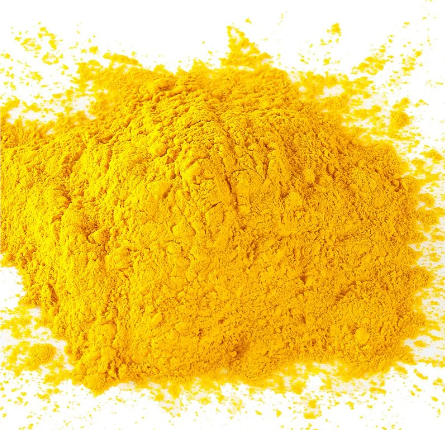
Bisbenzimide H33342 CAS:23491-52-3 Manufacturer Price
Bisbenzimide H33342 is a fluorescent dye commonly used in molecular biology and cell biology research. It is known for its ability to bind to DNA and is often used for visualizing and staining DNA in microscopy and flow cytometry applications. Additionally, it is employed for DNA quantification and cell cycle analysis. Bisbenzimide H33342 is popularly used as a counterstain in fluorescence microscopy to visualize cell nuclei in a variety of biological samples.
-
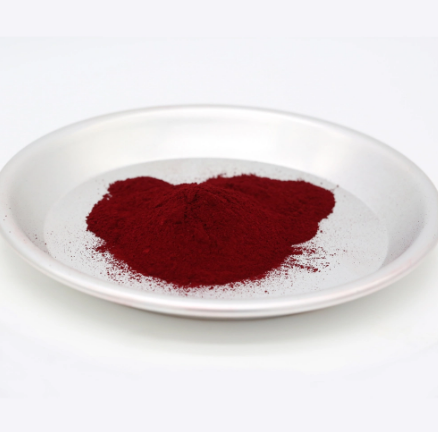
Oil Red O CAS:1320-06-5 Manufacturer Price
Oil Red O is a lysochrome (fat-soluble dye) used for staining neutral triglycerides and lipids. It is commonly employed in histology and cell biology to visualize lipid droplets in tissue sections and cell cultures. Oil Red O stains these lipid structures red, providing a clear contrast from the surrounding tissue, making it a valuable tool in lipid metabolism research and the study of lipid-related diseases.
-
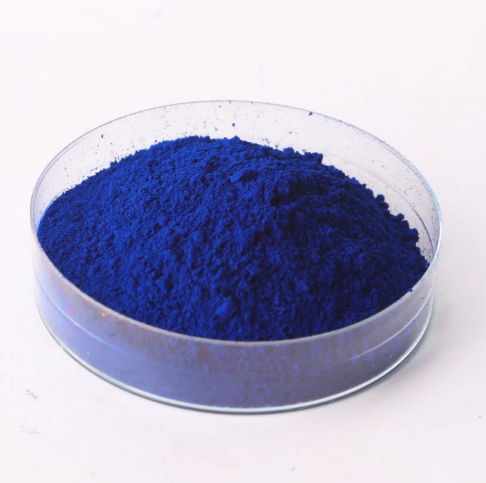
Coomassie brilliant blue G-250 CAS:6104-58-1
Coomassie Brilliant Blue G-250 is a dye commonly used to stain proteins in polyacrylamide gel electrophoresis. It binds to proteins and allows them to be visualized easily, aiding in the analysis of protein separation and quantification. It is widely used in biochemical and molecular biology research as a sensitive and reliable protein staining technique.
-
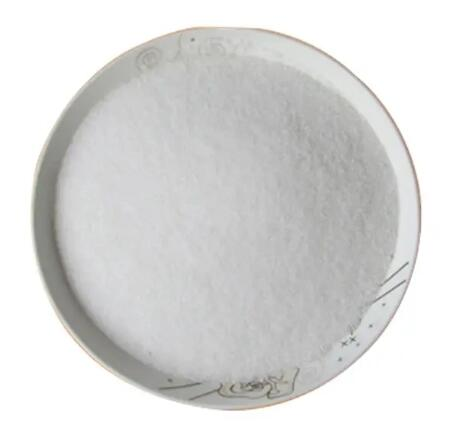
DAPI (4,6-Diamidino-2-phenylindole dihydrochloride) CAS:28718-90-3
DAPI (4,6-Diamidino-2-phenylindole dihydrochloride) is a fluorescent stain commonly used in molecular and cell biology to label DNA. It is known for its high affinity to bind to the minor groove of double-stranded DNA and emit blue fluorescence when illuminated with ultraviolet light. DAPI is widely used in various techniques, such as fluorescent microscopy, flow cytometry, and immunohistochemistry, to visualize and study the structure and distribution of DNA within the cell.
-
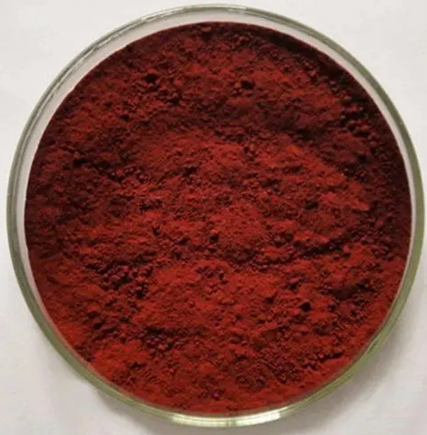
Acriflavine,neutral CAS:8048-52-0 Manufacturer Price
Acriflavine is a fluorescent dye that is commonly used in biological and medical applications to stain and visualize nucleic acids, particularly DNA and RNA. It is also used in microbiology and hematology for distinguishing between living and dead cells.
-
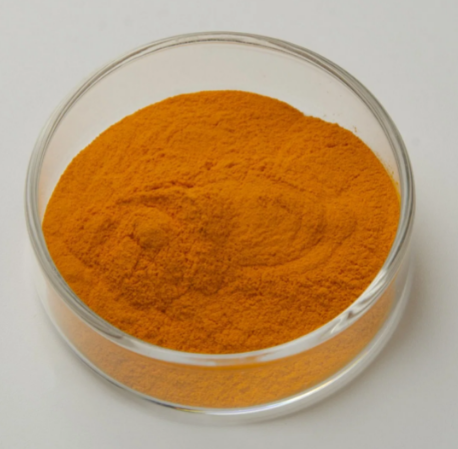
Bromocresol green, free acid CAS:76-60-8 Manufacturer Price
Bromocresol green (BCG) is a pH indicator dye commonly used in microbiology and biochemistry. It changes color from yellow to blue over a pH range of3.8 to 5.4, making it useful for visually determining the acidity or alkalinity of solutions. BCG is also utilized in various laboratory assays to measure serum albumin levels and in agarose gel electrophoresis to monitor DNA and RNA migration. Additionally, it is employed in clinical diagnostics for testing urine and blood samples.
-
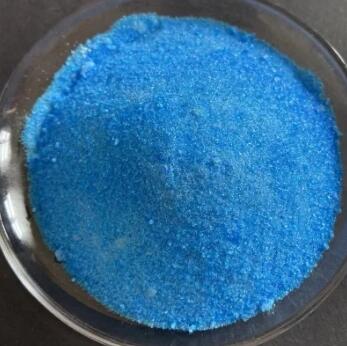
Ethidium bromide CAS:1239-45-8 Manufacturer Price
Ethidium bromide is a fluorescent dye commonly used as a nucleic acid stain in molecular biology research. It intercalates between the base pairs of DNA and RNA, allowing visualization of the nucleic acids under ultraviolet light. Ethidium bromide is frequently used in techniques such as gel electrophoresis to visualize and analyze DNA and RNA samples.
-
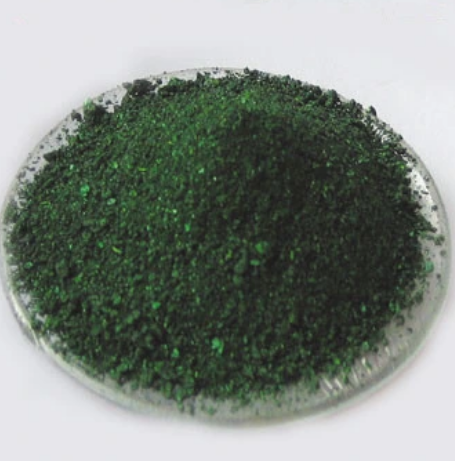
Janus Green B CAS:2869-83-2 Manufacturer Price
Janus Green B is a biological stain that is commonly used to visualize and study mitochondria, the energy-producing organelles within cells. It is widely utilized in biological and medical research to help researchers understand the structure and function of mitochondria, as well as their role in cellular health and disease.
-
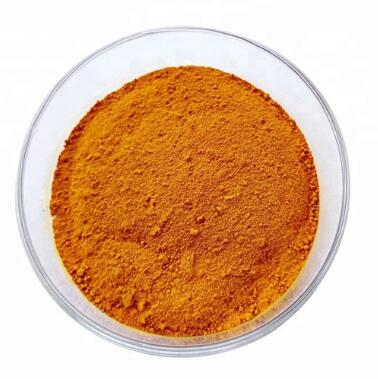
Sudan Orange G CAS:2051-85-6 Manufacturer Price
Sudan Orange G is an industrial dye belonging to the class of azo dyes. It is commonly used to color materials such as waxes, oils, and petrol products. It has a bright orange color and is often used in coloring shoe and floor polishes, as well as in the dyeing of plastics and rubber. Additionally, Sudan Orange G is used in biological research as a histological stain for determining fat under the microscope.
-
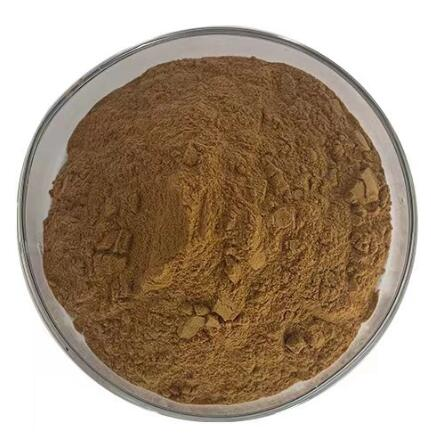
Sudan Red 7B CAS:6368-72-5 Manufacturer Price
Sudan Red 7B is an industrial dye belonging to the Sudan Red family of synthetic azo dyes. It is commonly used to color a variety of materials, including plastics, oils, waxes, and some solvent-based products. However, due to its potential health risks and carcinogenic properties, its use in food and cosmetic products is highly regulated or prohibited in many countries. Sudan Red 7B is known for its reddish to dark brown color and is primarily used for industrial applications.

