-
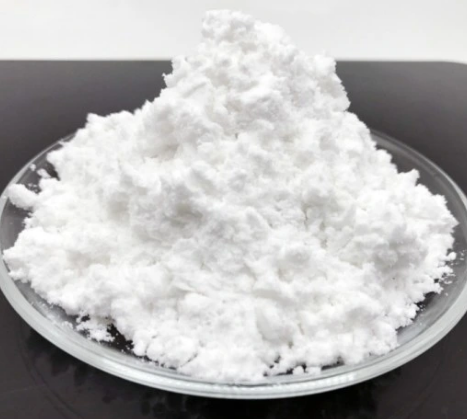
Nicotinic acid CAS:59-67-6 Manufacturer Price
Nicotinic acid, also known as niacin or vitamin B3, is an essential nutrient that plays a crucial role in various physiological processes. It is involved in the metabolism of carbohydrates, fats, and proteins, and it is essential for the production of energy in the body. Niacin also helps maintain healthy skin, nervous system function, and digestive system function. Additionally, it is known for its role in supporting cardiovascular health by helping to manage cholesterol levels. Niacin can be obtained from a variety of foods and is also available as a dietary supplement.
-
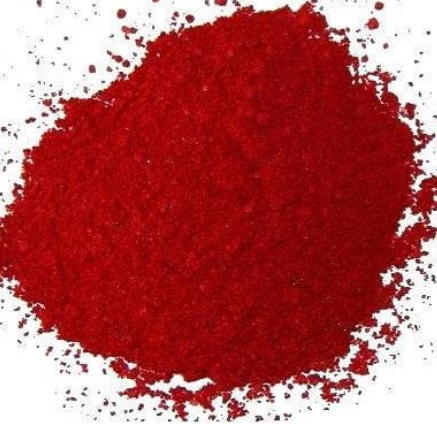
Allura red CAS:25956-17-6 Manufacturer Price
Allura red, also known as Red 40, is a synthetic red azo dye most commonly used as a food coloring. It is often added to a variety of food and beverage products, including candy, desserts, snacks, and beverages to impart a vibrant red color.
-
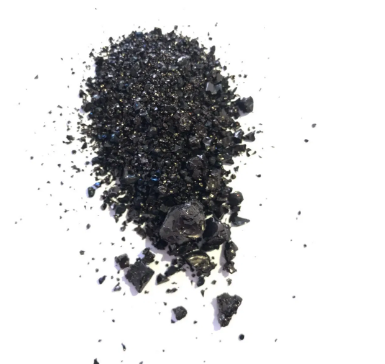
Nigrosine (C.I. 50420) (Acid Black 2) CAS:8005-03-6
Nigrosine, also known as CI 50420 or Acid Black 2, is a synthetic black dye. It is commonly used in the textile industry to dye fibers, fabrics, and leather. Nigrosine dyes are also utilized in laboratory applications as a staining agent for biological specimens and in histology for tissue staining. These dyes are known for their deep black color and are widely used for various coloring purposes.
-
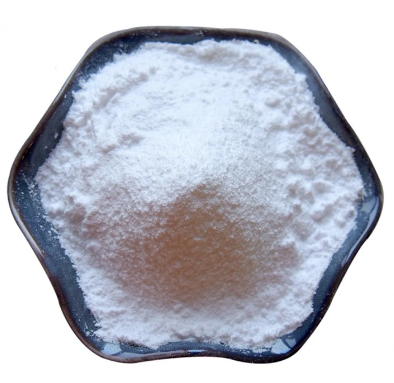
Spiramycin CAS:8025-81-8 Manufacturer Price
Spiramycin is an antibiotic medication belonging to the macrolide group. It is primarily used to treat infections caused by certain types of bacteria, particularly those affecting the respiratory and genitourinary systems. Spiramycin works by inhibiting the growth and spread of bacteria, thereby helping to eliminate the infection.
-

o-Cresolphthalein Complexone CAS:2411-89-4
o-Cresolphthalein Complexone is a complexometric indicator that is commonly used to determine the endpoint of titrations involving metal ions, particularly in the analysis of water hardness. It changes color in the presence of metal ions, making it a useful tool in analytical chemistry for detecting and quantifying metal ions in solution.
-

Sunset yellow FCF CAS:2783-94-0
Sunset Yellow FCF is an artificial food colorant, also known as Yellow No. 6. It is commonly used to impart a yellow or orange hue to a variety of foods and beverages, including desserts, snacks, and soft drinks. Additionally, it may be used in certain pharmaceuticals and cosmetics.
-

THIAMINE HYDROCHLORIDE CAS:67-03-8
Thiamine hydrochloride is a synthetic form of thiamine, also known as vitamin B1. This water-soluble vitamin plays a crucial role in energy metabolism and is essential for the functioning of the nervous system, muscles, and heart. Thiamine hydrochloride is often used as a dietary supplement to prevent or treat thiamine deficiency, which can lead to conditions such as beriberi or Wernicke-Korsakoff syndrome. It is also used in clinical settings to manage certain medical conditions, such as alcohol withdrawal syndrome and diabetic neuropathy.
-
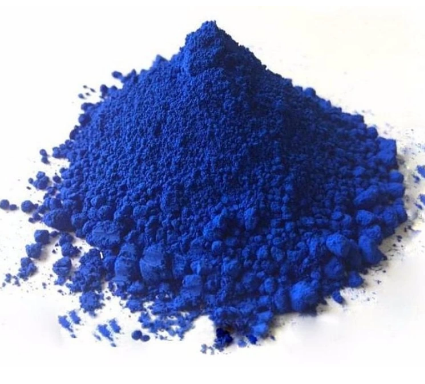
Litmus CAS:1393-92-6 Manufacturer Price
Litmus is a water-soluble mixture of different dyes extracted from lichens. It is commonly used as a pH indicator, changing color in response to acidic or basic solutions. Litmus paper, impregnated with litmus, is a simple and convenient method for determining the acidity or alkalinity of a solution. Blue litmus paper turns red in acidic solutions, while red litmus paper turns blue in basic solutions. This makes litmus a valuable tool in various fields, including chemistry, biology, and environmental science.
-
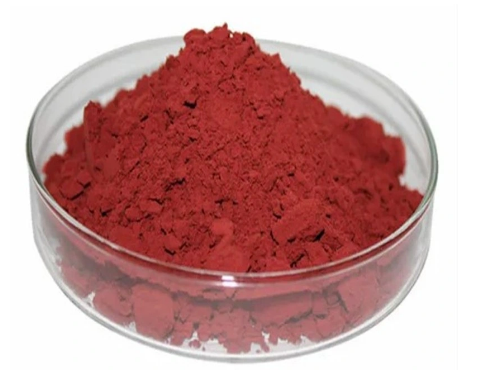
Acid Red 1 CAS:3734-67-6 Manufacturer Price
Acid Red 1, also known as Ponceau 4R or C.I. 16255, is a synthetic dye commonly used as a food coloring agent. It imparts a vibrant red color and is often used in foods, beverages, and pharmaceutical products. Due to its red hue, Acid Red 1 is also used in cosmetic and textile industries, and as a dye for various biological staining applications.
-
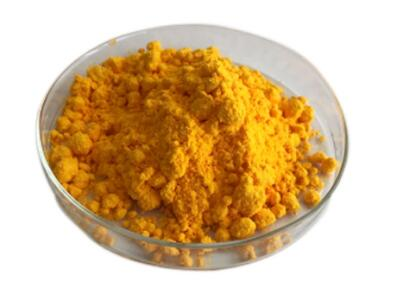
Orange II sodium salt CAS:633-96-5
Orange II sodium salt, also known as Orange II or Acid Orange 7, is an organic compound often used as a dye in various industries. With its bright orange color, it finds applications as a colorant in textiles, inks, and some cosmetics. Additionally, it is utilized as a staining agent in biological and histological processes, particularly in the context of microscopy and cellular analysis.
From a chemical perspective, Orange II sodium salt belongs to the azo dye class and is water-soluble. Its vivid hue makes it suitable for a range of aesthetic applications, contributing to the visual appeal of products in which it is used.
-
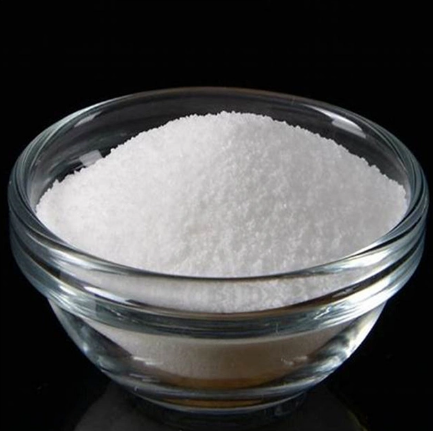
Adenine CAS:73-24-5 Manufacturer Price
Adenine is one of the four nucleobases found in DNA and RNA. It is a purine derivative and pairs with thymine in DNA and with uracil in RNA. Adenine plays a crucial role in genetic coding and protein synthesis. Its chemical structure consists of a fused double-ring system and it is represented by the letter “A” in genetic sequences.
-

D-Pantothenic acid hemicalcium salt CAS:137-08-6
D-Pantothenic acid hemicalcium salt is the calcium salt of D-pantothenic acid, also known as vitamin B5. It is an essential nutrient required for the synthesis and metabolism of proteins, carbohydrates, and fats in the body.
This compound is commonly used as a dietary supplement to address deficiencies of vitamin B5, which plays a crucial role in energy production and the maintenance of healthy skin, liver, and nerve function. It is often included in multivitamin supplements and is also used in some skincare products for its potential benefits to skin health.

