-

Vitamin B7 (Vitamin H/D-Biotin) CAS:58-85-5 Manufacturer Supplier
D-Biotin is necessary for cell growth, the production of fatty acids, and the metabolism of fatsandamino acids. It plays a role in the citric acid cycle, which is the process by which biochemical energy is generated during aerobic respiration. Biotin not only assists in various metabolic reactions but also helps to transfer carbon dioxide. Biotin may also be helpful in maintaining a steady blood sugar level.
-
Calcium Lactate CAS:814-80-2 Manufacturer Supplier
Calcium Lactate is the calcium salt of lactic acid which is soluble in water.Calcium lactate is prepared commercially by neutralization with calcium carbonate or calcium hydroxide of lactic acid obtained from fermentation of dextrose, molasses, starch, sugar, or whey.Calcium lactate is used as a bioavailability enhancer and nutrient supplement in pharmaceutical formulations.
-
Calcium Acetate CAS:62-54-4 Manufacturer Supplier
Calcium acetate is incompatible with strong oxidizing agents and moisture.Calcium Acetate belongs to the group of calcium salts, widely used as phosphorus binders in patients with chronic renal failure.Pharmaceutical secondary standards for application in quality control, provide pharma laboratories and manufacturers with a convenient and cost-effective alternative to the preparation of in-house working standards.
-
Vitamin D3 (Cholecalciferol) CAS:67-97-0 Manufacturer Supplier
Vitamin D is steroid derivatives. It is the general term for the compounds that have similar structures and have the effect of normal skeletal growth and maintenance. At present, there are at least more than ten kinds of sterols that have vitamin D activity. But there are only two important matters, which are known as pro-vitamin D. One is ergosterol that exists in vegetable oil or yeast, which can generate vitamin D2 when irradiated by sunlight or ultraviolet radiation. It is also known as cholecalciferol or ergocalciferol. Another is 7-dehydrochlesterol that exists in the skin. It will become vitamin D3 after irradiated by the light. It is also called cholecalciferol. D2 and D3 have similar structures. They are B ring derivatives of precursors of the sterol. The difference is that the side chain of vitamin D2 has a methyl group and one double bond.
-
Vitamin B3 (Nicotinamide) CAS:98-92-0 Manufacturer Supplier
Nicotinamide aka Vitamin B3 (niacinamide, nicotinic acid amide) is the pyridine 3 carboxylic acid amide form of niacin. It is a water -soluble vitamin that is not stored in the body. The main source of vitamin in diet is in the form of nicotinamide, nicotinic acid, and tryptophan. The main source of niacin include meat, liver, green leafy vegetables, wheat, oat, palm kernel oil, legumes, yeast, mushrooms, nuts, milk, fish, tea, and coffee.
-
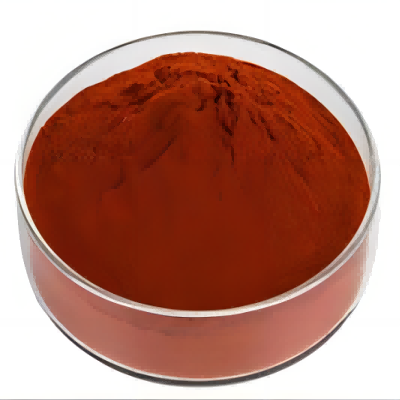
Vitamin B12 (Mecobalamin) CAS:13422-55-4 Manufacturer Supplier
Mecobalamin as vitamin B12 derivatives, should be called “methyl vitamin B12″ according to the chemical structure of name, the functional groups of methylation can be involved in the biochemical process of methyl transfer activity, promoting to nucleic acid of nerve tissue, the metabolism of protein and fat, , can stimulate the synthesis of lecithin Schwann cells, repairing the damaged myelin, improving nerve conduction velocity; directly into nerve cells, and stimulating axon regeneration of damaged area; stimulating protein synthesis in nerve cells and enhanced synthetic metabolism of axons to prevent axonal degeneration; involved in nucleic acid synthesis, promoted hematopoietic function.The treatment is clinically used in diabetic neuropathy, long-term use of macrovascular complications of diabetes are the curative effect.
-
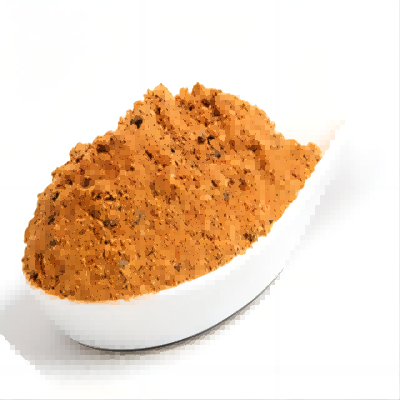
Vitamin B9 (Folic Acid) CAS:59-30-3 Manufacturer Supplier
Folic acid (folate) is a kind of B-vitamin which is mainly present in the liver and kidney. It has various kinds of pharmacological and physiological effects. It is involved in amino acid metabolism, purine and pyrimidine synthesis, and is also essential for hematopoiesis and red blood cell generation. In women pregnancy, folate can effectively prevent neural tube defects in the baby. It plays important role in fertility through contributing to spermatogenesis. It can also reduce the incidence of heart disease, stroke and cancer.
-
Calcium Malate CAS:17482-42-7 Manufacturer Supplier
Calcium malate can not only be used in food supplements and nutritional supplements. Calcium plays an important role in the formation of strong bones and teeth and the regeneration of bone tissue after fracture, helping to maintain regular heart rhythm and nerve pulsation.
-
Calcium Carbonate CAS:471-34-1 Manufacturer Supplier
Calcium carbonate occurs in nature as limestone in various forms, such as marble, chalk, and coral. It is probably the most widely-used raw material in the chemical industry. It has numerous applications, primarily to produce cement, mortars, plasters, refractories, and glass as building materials. It also is used to produce quicklime, hydrated lime and a number of calcium compounds. It is produced either as powdered or precipitated calcium carbonate. The latter consists of finer particles of greater purity and more uniform size. They also have many important commercial applications. Various grades of precipitated calcium carbonate are used in several products, such as textiles, papers, paints, plastics, adhesives, sealants, and cosmetics.
-
Vitamin E Acetate CAS:7695-91-2 Manufacturer Supplier
Vitamin E Acetate has the functions of anti-aging, improving immunity, and assisting in the treatment of cardio cerebral Vascular disease. It has been widely used in the pharmaceutical industry, health products industry, food industry, and cosmetics industry.Tocopherol and tocopheryl acetate are used mainly as antioxidants. Tocopheryl acetate, an ester of tocopherol (vitamin E), can induce allergic contact dermatitis.DL-α-Tocopherol acetate is a stable ester form of vitamin E, widely used in the formulation of cosmetics for the prevention or correction of skin damage.
-
Vitamin B13 (Orotic Acid) CAS:65-86-1 Manufacturer Supplier
Orotic acid (also known as pyrimidinecarboxylic acid) is a heterocyclic acid; it is also known as. Historically it was believed to be part of the vitamin B complex and was called vitamin B13, but it is now known that it is not a vitamin. It is well known as a precursor in biosynthesis of pyrimidines; in mammals it is released from the mitochondrial dihydroorotate dehydrogenase (DHODH) for conversion to UMP by the cytoplasmic UMP synthase enzyme. OA is also a normal part of the diet, being found in milk and dairy products, and it is converted to uridine for use in the pyrimidine salvage pathway predominantly in liver, kidney and erythrocytes.
-
Vitamin Bh (Inositol / Inositol Nicotinate) CAS:87-89-8 Manufacturer Supplier
Inositol belongs to the vitamins B class. Because of the different orientation of the relative ring plane of hydroxyl, it has a total of nine kinds of isomers, including 7 of non-optically active form, two kinds of optically active (L-form and D-form). In nature, it is widely distributed in all living tissues as either free or bound state, and is a common component presented in animal and plant cells. It can be synthesized by gastrointestinal microbes, being involved in carbohydrate and lipid metabolism in the body. It is mainly presented in the form of phosphatidylinositol in animal. It is most abundant in brain, heart and skeletal muscle. It is mainly in the form inositol phosphate in plants, and can bind with calcium, zinc and iron into insoluble compounds, which interfere with their digestion and absorption.